Introduction
A career roadmap for beginners is a structured plan that helps you move from uncertainty to clarity by building skills, experience, and direction step by step.
Many beginners feel pressure to “figure everything out” early. This pressure leads to rushed decisions, constant switching, or complete inaction. In reality, careers are built gradually through informed choices, not perfect plans. A roadmap doesn’t lock you into one future—it gives you direction while keeping flexibility. This article explains how beginners can create a practical career roadmap, avoid common traps, and make progress even without clear long-term answers.
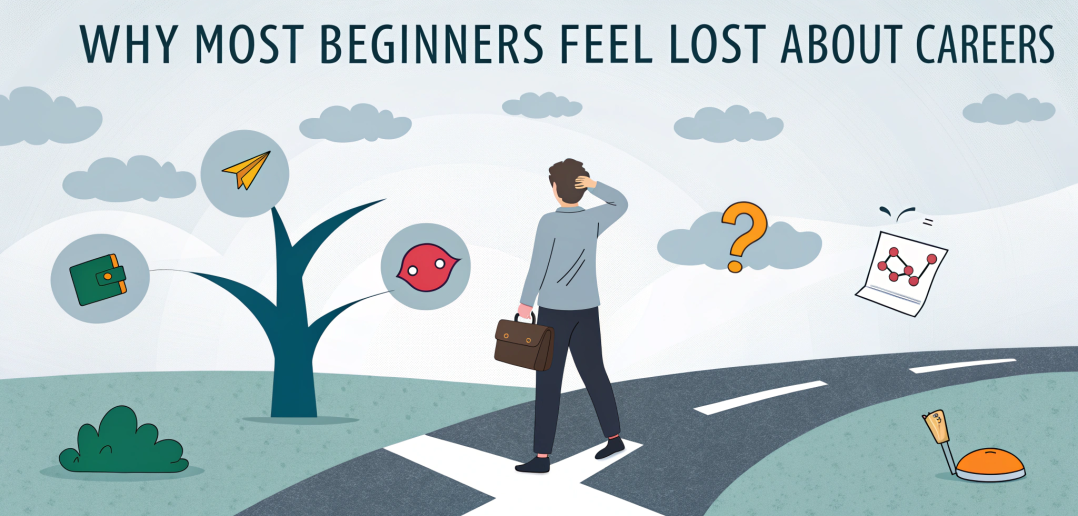
Why Most Beginners Feel Lost About Careers
career roadmap for beginners Career confusion usually comes from too many options and too little structure. Beginners often face:
Conflicting advice from people at different stages
Unrealistic success stories online
Fear of choosing “wrong”
In real career journeys, uncertainty is normal—but lack of structure is what causes stagnation.
[Expert Warning]
Waiting for perfect clarity often delays growth more than making imperfect decisions.
What a Career Roadmap Really Is (And Is Not)
A career roadmap is not:
A fixed 10-year plan
A single job choice
A guarantee of success
A career roadmap is:
A short-to-medium-term direction
A skill-building sequence
A decision-making framework
It helps you move forward while staying adaptable.
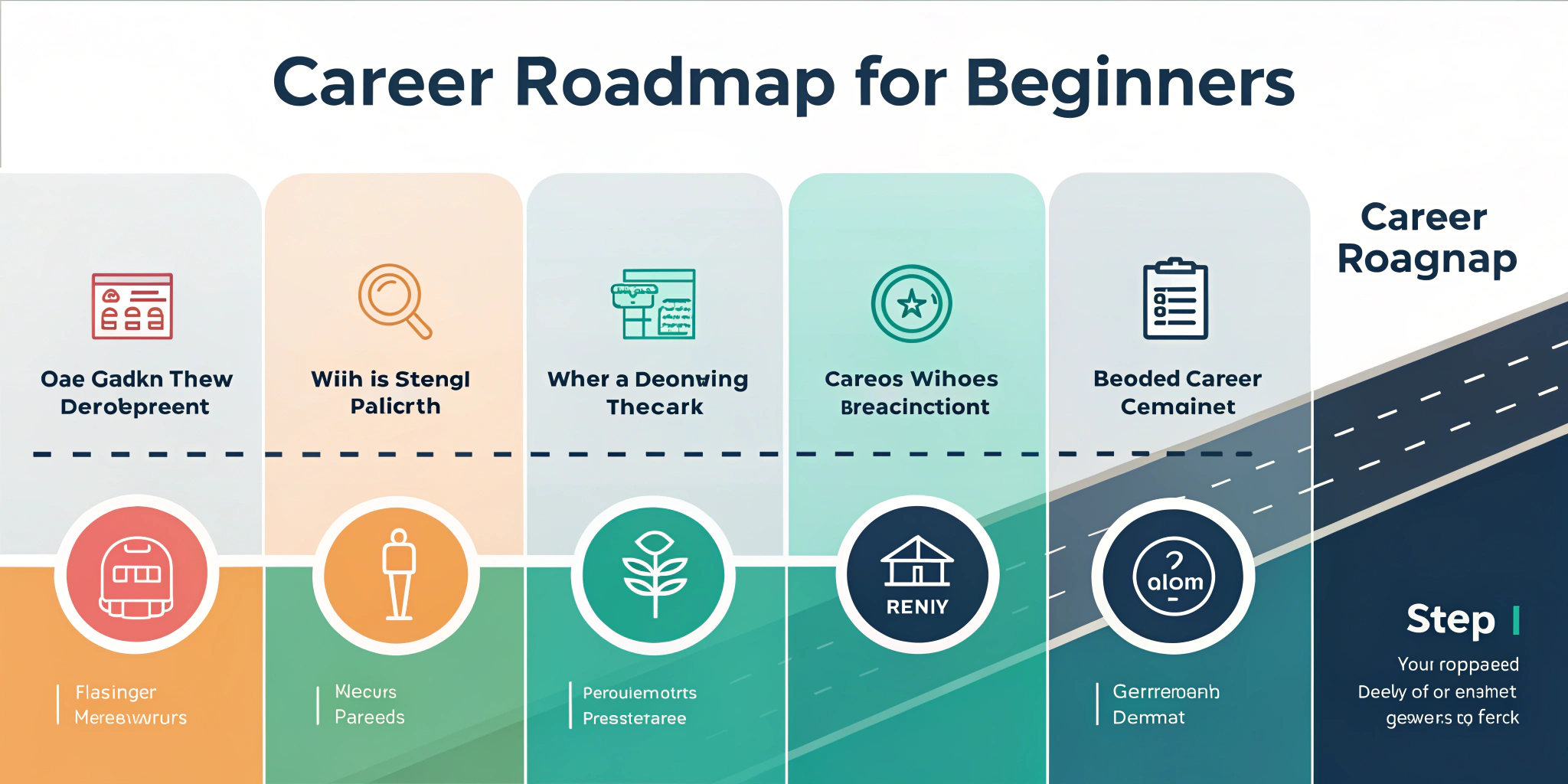
The Core Stages of a Beginner Career Roadmap
Stage 1 – Self-Understanding (Foundation Phase)
career roadmap for beginners Before choosing roles or skills, beginners should understand:
What tasks they enjoy or avoid
How they prefer to learn
Their tolerance for structure vs flexibility
This stage prevents copying paths that don’t fit.
Stage 2 – Skill Foundation
Most beginners should start with transferable skills, such as:
Digital literacy
Communication
Problem-solving
These skills apply across industries and roles.
YouTube
https://www.youtube.com/watch?v=ua-CiDNNj30
A simple explanation of how skills, learning, and work connect over time.
Stage 3 – Exploration Without Commitment
career roadmap for beginners Exploration should be controlled, not chaotic.
This includes:
Trying small projects
Learning basics of different roles
Observing real work environments
Exploration helps refine direction without pressure.
Stage 4 – Focused Skill Development
career roadmap for beginners Only after exploration should beginners commit to:
One primary skill path
One supporting skill
This reduces burnout and increases depth.
Table – Beginner Career Roadmap Stages
| Stage | Focus | Outcome |
| Self-understanding | Awareness | Better decisions |
| Skill foundation | Transferable skills | Flexibility |
| Exploration | Low-risk testing | Direction clarity |
| Focus | Depth building | Career momentum |
This table addresses a SERP gap: careers are built in phases, not leaps.
Common Career Roadmap Mistakes Beginners Make
Mistake 1: Copying Someone Else’s Career Path
Success stories hide context, timing, and trade-offs.
Fix:
Use others’ paths as reference—not instruction.
Mistake 2: Over-Exploring Without Progress
Endless exploration delays growth.
[Money-Saving Recommendation]
Limit exploration to short cycles (30–60 days) before deciding next steps.
Mistake 3: Expecting Immediate Direction
Clarity usually comes after action, not before.
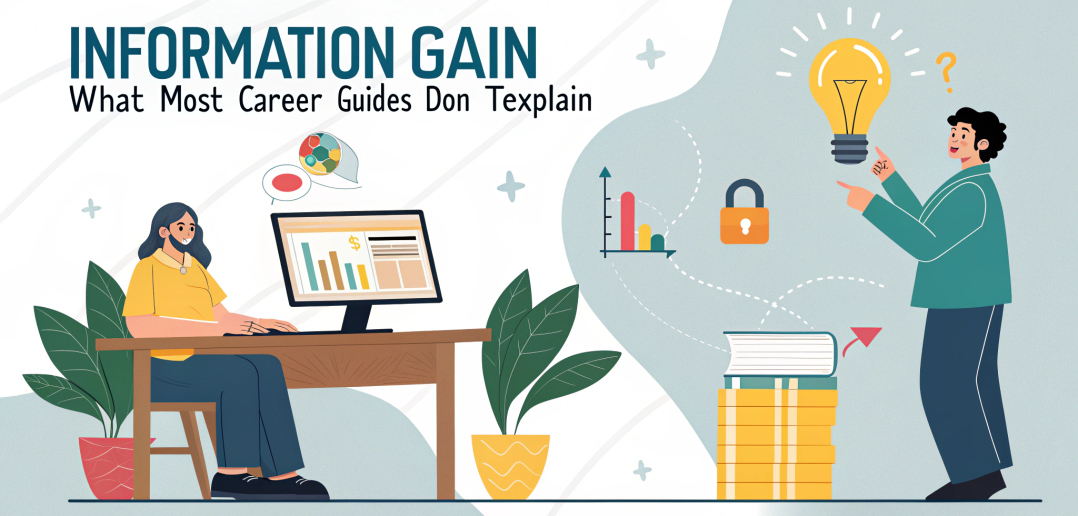
Information Gain — What Most Career Guides Don’t Explain
career roadmap for beginners Most career advice focuses on outcomes (jobs, titles, salaries) but ignores decision quality.
The missing insight is this:
Strong careers are built by making better decisions repeatedly, not by making one perfect choice.
A roadmap improves decision-making—not certainty.
(Unique Section): Beginner Career Reality Check
career roadmap for beginners From real beginner experiences, progress often looks like:
Small skill gains
Minor role adjustments
Gradual confidence growth
Careers rarely change overnight. Consistent movement matters more than dramatic shifts.
How Beginners Can Create Their Own Career Roadmap
career roadmap for beginners Identify transferable skills to build first
Set short-term learning goals
Test interests through small actions
Review progress every few months
[Pro Tip]
If your roadmap helps you decide what to do this month, it’s working.
FAQ
Q1: What is a career roadmap for beginners?
A structured plan for building skills and direction step by step.
Q2: Do beginners need a fixed career plan?
No. Flexibility matters more than certainty.
Q3: How long should a career roadmap cover?
Usually 6–24 months, not decades.
Q4: Can career paths change later?
Yes. Roadmaps are meant to evolve.
Q5: What skills should beginners focus on first?
Transferable skills like communication and digital literacy.
Conclusion
A career roadmap for beginners is not about predicting the future—it’s about creating forward motion. By building self-awareness, developing transferable skills, exploring intentionally, and focusing gradually, beginners can reduce confusion and build confidence. The goal is not perfection, but progress. When decisions are structured and skills compound, careers grow naturally over time.